High above the Great Hall of Blenheim Palace, where echoes of the past still linger, a team of conservators has stumbled upon a something rather remarkable. What began as a routine inspection during a multimillion-pound restoration has uncovered more than a dozen graffiti inscriptions: names, dates, and cryptic notes from the past. These scribbles offer tantalizing glimpses into the palace’s undocumented past, sparking a global call to help unravel the mystery.
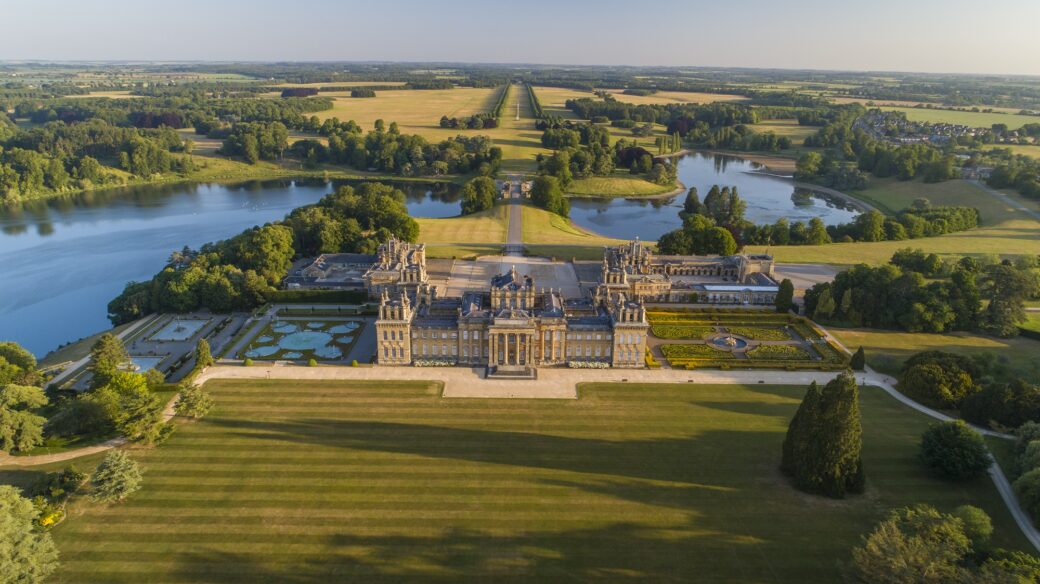
Blenheim Palace, the sprawling Baroque masterpiece in England’s Cotswolds and a UNESCO World Heritage Site, was originally constructed between 1705 and 1722 as a monumental gift from Queen Anne to John Churchill, the1st Duke of Marlborough, in celebration of his decisive victory at the Battle of Blenheim in 1704. Spanning 2,000 acres of Capability Brown-designed landscapes, the estate is not just a symbol of military triumph but also the birthplace of Sir Winston Churchill in 1874. Its interiors boast lavish frescoes, including Sir James Thornhill‘s triumphant 1716 ceiling masterpiece in the Great Hall depicting the duke’s exploits, and Louis Laguerre‘s vivid Battle of Blenheim scenes in the adjacent Saloon.
Roof restoration
The discoveries emerged amid the palace’s most ambitious project to date: a £12 million roof restoration launched in early 2025, aimed at safeguarding these irreplaceable artworks from rainwater damage and structural decay. Complementing this effort is a separate £1 million conservation initiative targeting the endangered ceiling paintings, which have suffered from hairline cracks and mold infiltration. To keep the palace accessible to visitors (over 1 million annually) specialists from Moss UK installed a jaw-dropping 210-square-meter replica of Thornhill’s fresco, hoisted upside-down beneath scaffolding for an immersive, mid-air viewing experience completed in June.
Ceiling’s secrets
It was during this high-altitude work, some 67 feet (20 meters) above the marble floors, that the Opus Conservation team uncovered the graffiti. Believing themselves to be the first to scale these heights in centuries, they were ‘amazed’ to find the markings hidden in the ceiling’s nooks and crannies. To date, 11 distinct inscriptions have been cataloged, spanning nearly two centuries of maintenance and artistry:
- T. Harwood, 1843: Likely a local plasterer, leaving his mark amid Victorian-era touch-ups.
- W. Smith, 1888: A succinct signature from the late 19th century, possibly tied to decorative overhauls.
- J.F. Brennan, H.J. Brennan, and J. Henfry, 1968: A trio of names clustered together, hinting at a collaborative crew during mid-20th-century repairs.
- “W. Eine Jagd,” 1968: An enigmatic phrase—possibly “One Hunt” in German—suggesting a multilingual workforce or a playful doodle.
- E. Tuffrey, Valentine’s Day 1939: A romantic timestamp on the eve of World War II, evoking poignant wartime reflections.
- “Neu verdrahtete LH,” 1935: German for “Newly wired LH,” potentially referencing electrical updates to lighting (LH might stand for “Long Hall”).
- G.T. Higgs, 1921: An Oxford resident believed to have specialized in window painting.
- F.R. Rambone, February 10, 1931: Complete with an address at 292 Abingdon Road, Oxford, offering a direct lead for genealogical sleuthing.
- T. Riley, 2011: The most recent entry, a modern echo from just over a decade ago.
These etchings, scratched into plaster and beams, fill critical voids in Blenheim’s archival records, revealing waves of unheralded laborers who toiled in the shadows of history’s luminaries. “These pieces of graffiti are exciting—they provide such tempting clues about what was done and when, with no prior documentary evidence,” Woolley enthused in a statement to the BBC. “It would be brilliant to solve the mystery of who these people were and what they did in the Great Hall. We’re hoping to trace family connections and perhaps even hear stories passed down through generations.”
Family ties
The palace has issued a public appeal via social media and local outlets, urging anyone with ties to these names – particularly in Oxfordshire – to come forward with photos, anecdotes, or family lore. Early responses have trickled in, including a potential link to the 1931 Rambone inscription from a descendant in nearby Abingdon. Historians speculate the graffiti could illuminate labor practices, migration patterns (noting the German phrases amid pre-WWII tensions), and even the socio-economic ripples of events like the Great Depression or post-war rebuilding.
As the restoration steers toward its 2026 completion, Blenheim’s director Dominique Rogers, emphasized the human element: “These scribbles remind us that behind every grand facade are countless hands—ordinary people whose quiet contributions built and sustained this extraordinary place.” For now, the ceiling’s secrets dangle like unfinished sentences, inviting the world to co-author the next chapter. Visitors can witness the ongoing drama firsthand, gazing up at the replica while pondering the ghosts who signed their names to the stars.
For those with leads on the mystery makers, contact the estate at restoration@blenheimpalace.com.
About Blenheim Palace

Blenheim Palace, built between 1705 and the early 1720s as a gift from the nation to John Churchill, 1st Duke of Marlborough, commemorates his victory at the Battle of Blenheim and stands as one of England’s finest examples of grand Baroque architecture. Designed by Sir John Vanbrugh and Nicholas Hawksmoor, the palace later gained its sweeping naturalistic parkland through the work of landscape architect Capability Brown. Still the home of the Marlborough family, Blenheim was designated a UNESCO World Heritage Site in 1987 and today functions as both a historic residence and a major visitor attraction, hosting exhibitions, cultural events, and ongoing conservation projects to preserve its remarkable buildings and grounds.
More information: blenheimpalace.com