GERMANY — On July 12, 2025, the UNESCO World Heritage Committee, during its 47th session in Paris, inscribed the palaces of King Ludwig II of Bavaria (Neuschwanstein, Linderhof, Schachen, and Herrenchiemsee) onto the prestigious World Heritage List. This milestone, celebrated by the Bavarian Palace Administration and supporters across Bavaria, marks the culmination of decades of effort to recognize these iconic structures as global cultural treasures. The announcement has sparked widespread excitement, affirming the universal appeal and historical significance of Ludwig’s dreamlike palaces.
A Long Journey to Recognition
The idea to nominate King Ludwig II’s palaces for UNESCO World Heritage status first emerged in the 1990s. Michael Petzet, then General Conservator of the Bavarian State Office for Monument Preservation, suggested that Neuschwanstein, in particular, deserved a place on the list due to its cultural importance, despite concerns over its heavy tourist commercialization (Denkmalpflege Informationen, August 12, 1997). By 2001, support grew for nominating Neuschwanstein, and by 2007, the proposal expanded to include all four of Ludwig’s palaces as a serial nomination.
The nomination process formally began in 2015, when the palaces were added to Germany’s tentative list under the title “From Dreams to Reality – The Palaces of King Ludwig II of Bavaria: Neuschwanstein, Linderhof, Schachen, and Herrenchiemsee.” A comprehensive 400-page dossier was prepared, detailing the palaces’ outstanding universal value, their state of conservation, and protective measures. The Bavarian Palace Administration also developed a management plan, including buffer zones to ensure long-term preservation, which required extensive coordination with local communities in Schwangau, Ettal, Garmisch-Partenkirchen, and Chiemsee.
On February 1, 2024, the nomination dossier was submitted to UNESCO in Paris. The International Council on Monuments and Sites (ICOMOS) conducted a rigorous evaluation, including site visits in September 2024 to assess the palaces’ condition and protective measures. In early 2025, ICOMOS recommended their inscription under criterion (iv) of the World Heritage Convention, recognizing the palaces as “an outstanding example of a type of building, architectural or technological ensemble which illustrates significant stage(s) in human history.”
Duis autem vel eum iriure dolor in hendrerit in vulputate velit esse molestie consequat, vel illum dolore eu feugiat nulla facilisis at vero eros et accumsan et iusto odio dignissim qui blandit praesent luptatum zzril.
Why the Palaces Deserve This Honor
The palaces of King Ludwig II are celebrated as masterpieces of late Romantic and historicist architecture, embodying the cultural ethos of the late 19th century. Conceived as private retreats, they were designed under Ludwig’s meticulous direction as Gesamtkunstwerke—total works of art—blending scenic beauty, theatrical effects, and luxurious craftsmanship. The UNESCO Committee highlighted their use of the era’s finest artists, craftsmen, and technological innovations to create “staged visual architecture for poetic, imagined worlds.”
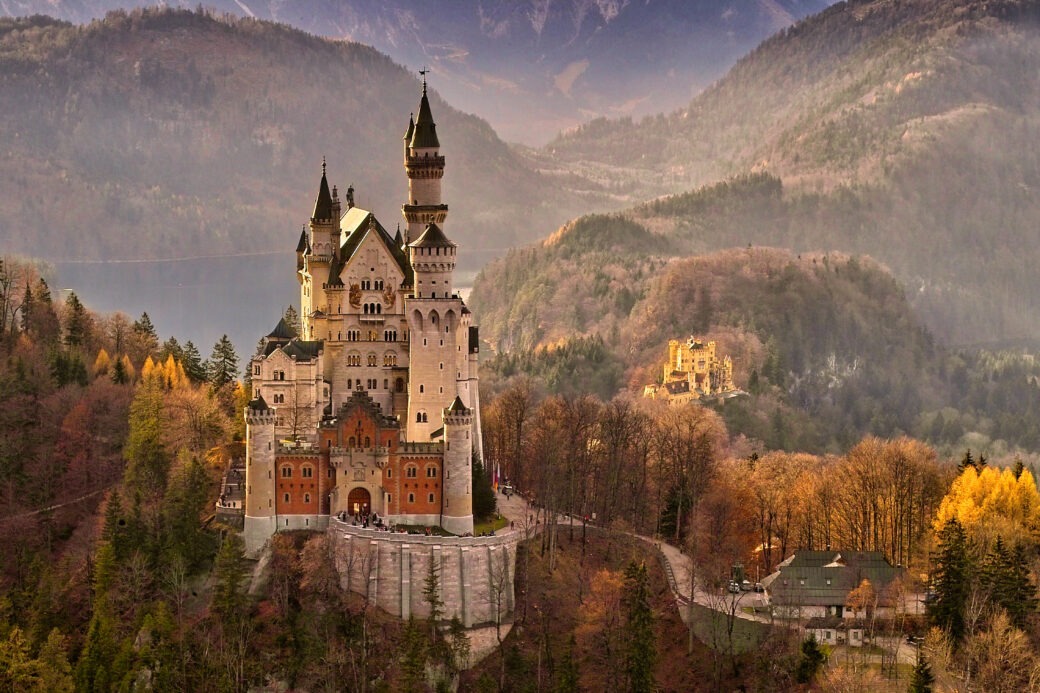
- Neuschwanstein: Nestled in the Ammergau Alps, this fairy-tale castle is Germany’s most iconic landmark, renowned for its picturesque setting and romanticized medieval aesthetic.
- Linderhof: Located in the Graswang Valley, this intimate palace features lavish interiors, including the famous Tischlein-deck-dich (a mechanically operated dining table) and the Venus Grotto.
- Schachen: A modest yet striking royal lodge in the Wetterstein Mountains, it reflects Ludwig’s love for Alpine seclusion and exotic influences.
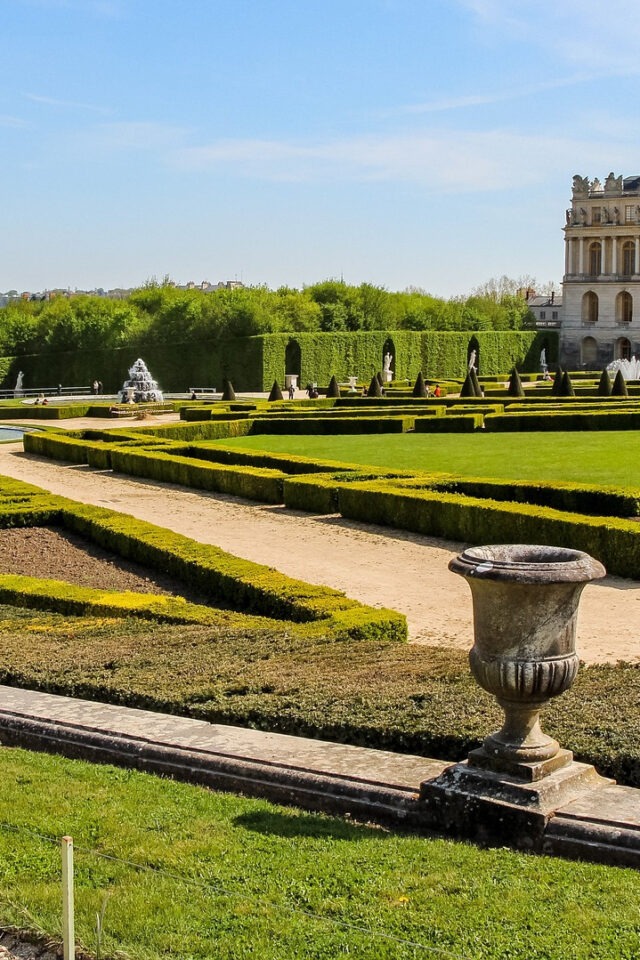
- Herrenchiemsee: Modeled after Versailles, this grand palace on an island in Lake Chiemsee boasts the opulent Great Hall of Mirrors.
ICOMOS praised the palaces’ exceptional state of preservation, noting that they remain largely unchanged since Ludwig’s death in 1886. Their carefully chosen locations, surrounded by stunning natural landscapes, enhance their allure as places of deliberate seclusion and artistic vision.
Ludwig II: The fairytale King of Bavaria

King Ludwig II of Bavaria (1845–1886) is renowned as the enigmatic “Fairy Tale King” whose passion for art, architecture, and mythology forever shaped the Bavarian landscape. Ascending the throne in 1864, Ludwig II eschewed political intrigue in favor of grand cultural projects, channeling his private fortune and royal prerogative into visionary castles that blended medieval fantasy with contemporary innovation.
His most iconic creations—Neuschwanstein, Linderhof, Schachen, and Herrenchiemsee—reflect not only his fascination with German legends and French absolutism but also his romantic idealism and personal retreat from public life. Although Ludwig’s extravagance stirred controversy during his reign and contributed to his mysterious downfall, his architectural legacy has endured. Today, these palaces are celebrated as masterpieces of historicism, testaments to imaginative ambition, and symbols of Bavarian identity that draw millions of admirers from around the globe.
A collective effort
The successful nomination was a collective effort involving the Bavarian Palace Administration, the Bavarian State Ministry of Science and Art, the Federal Foreign Office, the German UNESCO Commission, and local communities. Key figures, including Alexander Wiesneth of the Bavarian Palace Administration and Kerstin Pürschel, Germany’s Ambassador to UNESCO, attended the session in Paris. The process, spanning over two decades, underscores the dedication to preserving Ludwig’s legacy for future generations.
Global Significance and Local Pride
The inscription elevates the palaces to the ranks of other world-renowned sites like the Alhambra in Spain and Versailles in France. Despite occasional criticism as “kitsch,” their universal appeal transcends cultural boundaries, captivating millions worldwide. For many, Neuschwanstein has long been synonymous with UNESCO-worthy status, and its inclusion, alongside Linderhof, Schachen, and Herrenchiemsee, affirms King Ludwig II’s enduring legacy as a visionary patron of the arts.
This recognition not only celebrates the architectural and cultural significance of the palaces but also ensures their protection for generations to come, solidifying their place as treasures of humanity’s shared heritage.