Saxony-Anhalt, Germany — The 2026 visitor season has officially launched for the region’s renowned castles, palaces, and historic residences. With new exhibitions, ongoing restorations, and enhanced accessibility in one of Germany’s most heritage-rich landscapes.
Primarily managed by the Kulturstiftung Sachsen-Anhalt, this extensive network of monuments is embracing the season with a strong emphasis on long-term preservation, inclusive visitor engagement, and drawing diverse audiences.
A landscape shaped by historic estates
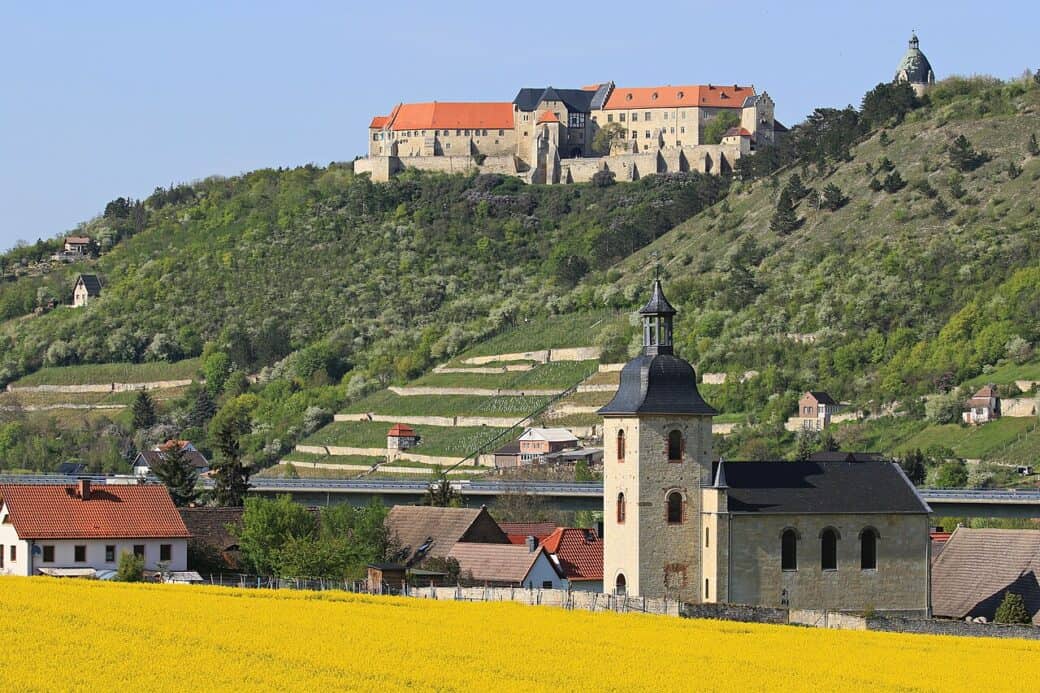
Saxony-Anhalt boasts an extraordinary density of cultural sites—from medieval hilltop fortresses and Romanesque monasteries to Renaissance and Baroque princely residences. Highlights include Neuenburg Castle in Freyburg, one of central Germany’s largest and most architecturally layered castles, which continues to develop its exhibitions and public interpretation. Other key sites encompass atmospheric ruined castles, grand monasteries, and former noble seats, many linked by thematic routes like the Romanesque Road. Together, they create a compelling destination for architecture enthusiasts, history buffs, and scenic explorers.
Fresh visitor experiences in 2026
This season brings refreshed offerings at several locations: updated permanent displays, more interactive storytelling, expanded guided tours, and family-oriented programs to make intricate historical narratives approachable and engaging. Seasonal events, multimedia guides, improved signage, and digital tools are increasingly prominent, helping visitors connect more deeply with each site’s context and stories. These efforts reflect a wider push among German heritage operators to appeal to younger generations and foster repeat visits.
Focus on restoration and preservation
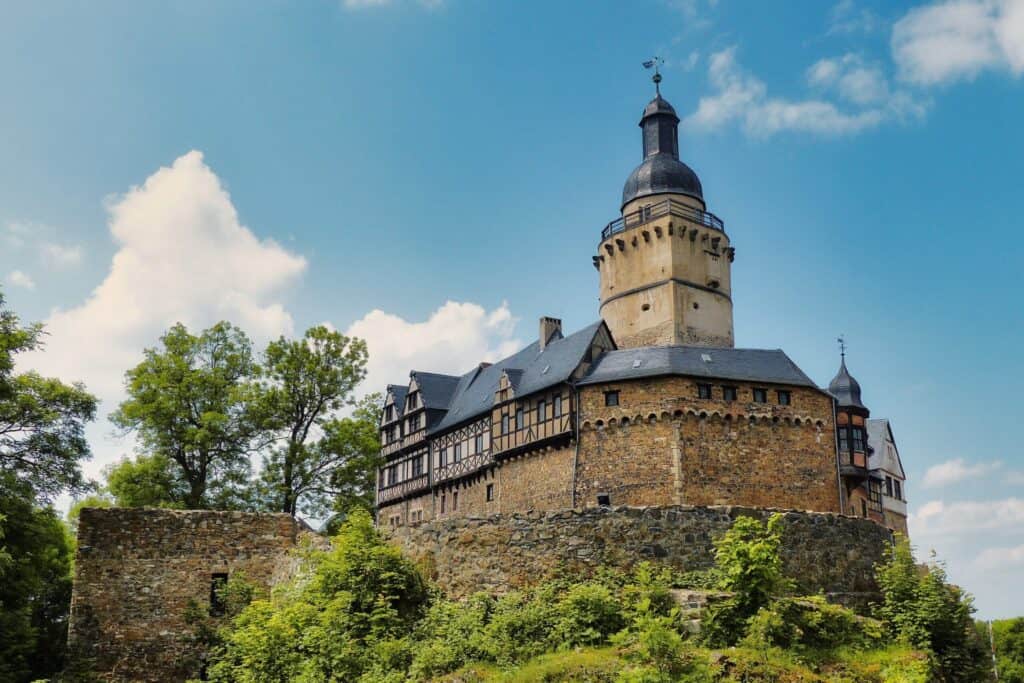
Conservation remains a top priority, with significant structural work underway at multiple sites, including masonry stabilization, interior protection, and accessibility upgrades. A major €200 million joint federal-state investment program (running through 2032) supports these efforts across ten priority locations, such as Neuenburg Castle, Burg Falkenstein, and Köthen Castle. Some areas may stay partially closed during ongoing construction, but these essential interventions safeguard the monuments against aging materials, climate pressures, and rising costs—a shared challenge for historic sites across Europe.
The balance between access and protection
The season underscores the careful equilibrium between welcoming the public and safeguarding fragile heritage. Operators are adopting smart strategies: gradually reopening more spaces where safe, restricting access to vulnerable zones, and conducting restoration work discreetly behind the scenes. This approach ensures immersive experiences while prioritizing long-term survival.
A prime spot for cultural tourism
With its concentration of landmarks and diverse scenery, Saxony-Anhalt positions itself as a standout cultural destination in Germany. The 2026 season invites travelers to revisit iconic sites like Neuenburg Castle and discover quieter gems, including historic gardens and lesser-known ruins.
Looking forward
As the year progresses, sustained funding for restoration, innovative interpretation, and dynamic programming will define the visitor experience. This blend of conservation and fresh offerings mirrors a modern evolution in heritage management—transforming static monuments into vibrant, living cultural assets. For anyone planning a journey through central Germany, the castles and palaces of Saxony-Anhalt deliver wonderful architecture alongside an evolving and actively preserved heritage landscape.