Over the past few years, a new and powerful voice has been bringing historic places to life for a new generation. With her lively, spontaneous presence, she engages millions of people with history, castles and country houses. Through every social media post, she shines a light on fascinating historical facts, objects and places. Her name? Alice Loxton, better known as History Alice.
Academic background
Educated at the University of Edinburgh, Alice Loxton (born 1996) combines academic rigour with an exceptional talent for public communication. Rather than focusing solely on scholarly audiences, she chose to engage directly with the public, translating historical research into stories that resonate far beyond lecture halls.
This approach has made her a key figure in contemporary heritage communication. Her work reflects a growing understanding that the future of European heritage depends not only on conservation, but also on meaningful engagement with diverse and younger audiences.
Stages for human drama
In Alice’s storytelling, castles and country houses are never static backdrops. They are dynamic spaces where politics, power and personal lives collided. Whether discussing royal residences, defensive strongholds or ceremonial landscapes, Loxton reveals how these historic buildings functioned as homes, workplaces and symbols of authority.
By focusing on individuals who lived, ruled, served or resisted within castle walls, Loxton transforms architecture into narrative. Stone towers and formal gardens become witnesses to social change, artistic innovation and historical upheaval across Europe. This approach is similar to Lucy Worsley‘s, who shared her enthusiastic review of Alice Loxton’s book Eighteen, a work exploring British history through 18 different lives at age 18, calling it a “fantastic piece of work” that brings history to life.
Storytelling in the digital age
Under the handle @history_alice, Loxton has built an international audience through platforms such as Instagram and TikTok. In January 2025, she had over three million(!) followers across social media. Her on-location videos frequently feature historic cities, castles and heritage sites, allowing viewers to experience European castles through movement, emotion and context.
This digital presence has proven especially effective in encouraging cultural tourism. Many followers encounter European castles first through her storytelling, before seeking them out in real life. In this way, Loxton plays an active role in shaping contemporary relationships between audiences and historic places.
Established writer
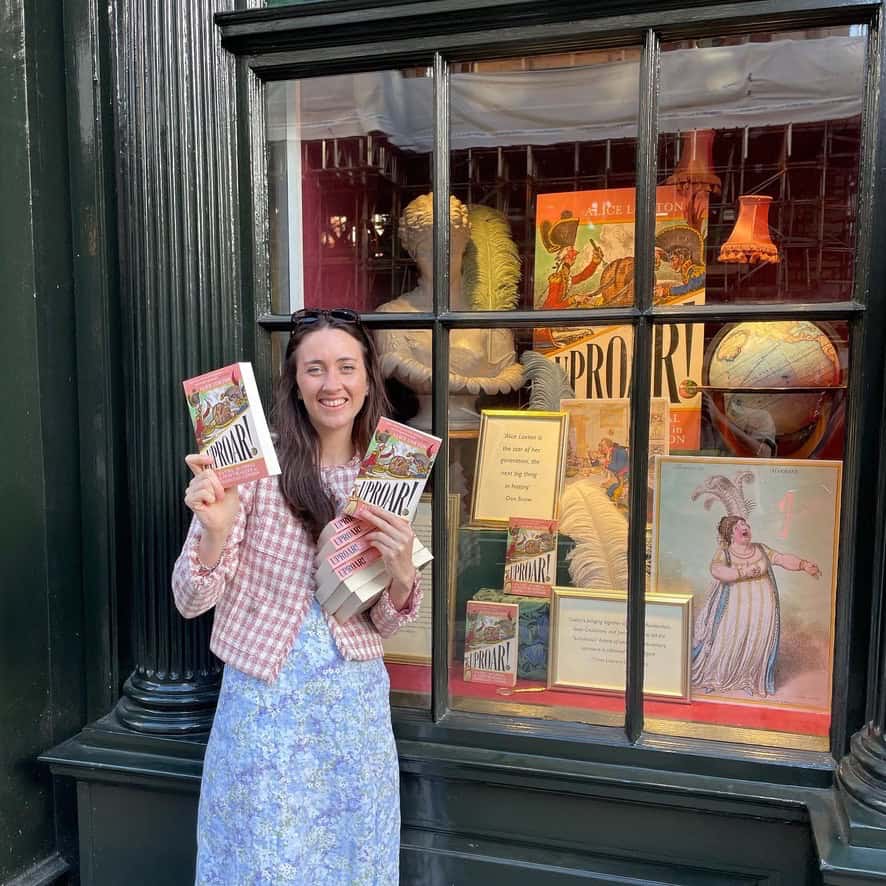
Not all of her followers will know that Alice is also an established author and broadcaster. Her books explore British and European history through unconventional lenses, highlighting youth, marginal voices and moments of cultural tension. These themes also inform her engagement with castles and historic landscapes, where she often draws attention to stories overlooked by traditional narratives.
Her collaborations with museums, galleries and heritage organisations demonstrate how European castles can remain relevant in the digital age without losing historical depth or authenticity.
Why Alice belongs among heritage heroes
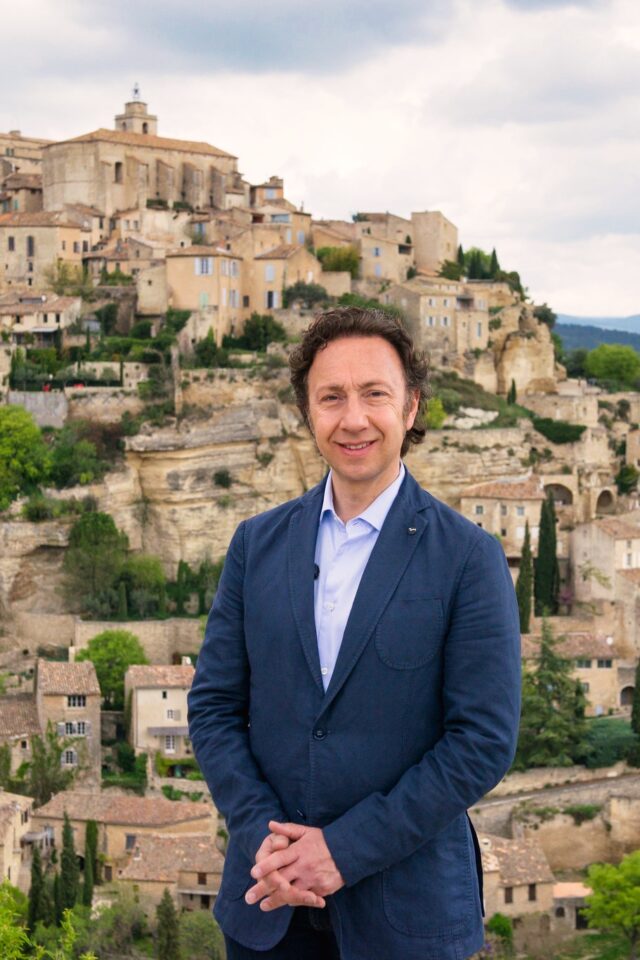
Alice Loxton stands alongside figures such as Lucy Worsley and Stéphane Bern as one of our ‘Heritage Heroes’ because she reshapes how castles are understood and valued. She proves that history can be accurate, engaging and emotionally compelling at the same time.
By bringing castles, gardens and historic landscapes into everyday digital culture, Alice ensures that Europe’s built heritage continues to inspire curiosity and care. In doing so, Alice Loxton helps secure a future in which European castles are not only preserved, but truly lived with, understood and loved.
Heritage Heroes
Across Europe, historic houses, castles, and gardens survive not only through conservation policies and restoration budgets, but through people—individuals who translate heritage into lived experience. They act as interpreters between past and present, experts and audiences, stone and story. Some are historians, others curators, gardeners, or broadcasters. What unites them through time and space is their love for art, craftmanship en their ability to make heritage feel relevant, accessible, and emotionally resonant.
This series explores such ambassadors of European heritage: figures who have shaped public affection for historic places by the way they speak about them, move through them, and invite others inside. From palace corridors to walled gardens, from grand estates to working landscapes, these individuals remind us that heritage is not only something to be preserved, but something to be understood, used, and cared for.