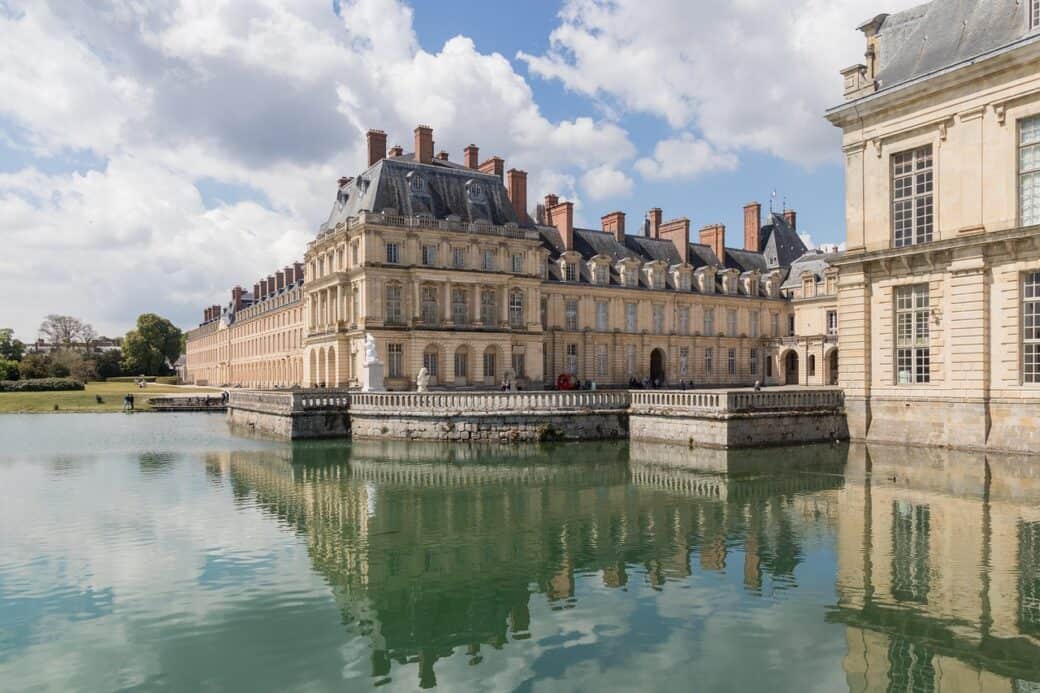
FONTAINEBLEAU, France — Château de Fontainebleau is dedicating its 2026 season to celebrating Marie‑Antoinette and King Louis XVI. Visitors are invited to step into the world of 18th‑century court life through original décor, historical reenactments, and festive events. The program combines immersive interiors, costumed gatherings, and outdoor activities that evoke the lifestyle of France’s last royal couple before the Revolution.
Located south of Paris in the Île‑de‑France region, Château de Fontainebleau is one of France’s longest continuously inhabited royal residences, with an architectural history extending from the medieval period through the Renaissance and into the classical age. It has played host to monarchs from François I to Napoleon III, making its interiors and gardens among the most historically resonant in Europe.
Period interiors restored for the season
From April onwards, Fontainebleau’s Grand Apartments take on a new life as many rooms are presented with period furnishings and décor as they might have appeared in 1786. That year was the last of the royal couple’s documented stay. This includes richly appointed chambers such as the boudoir Turc, the boudoir d’Argent, and the Grand Cabinet de la Reine, which were part of daily life for Marie‑Antoinette and Louis XVI. Visitors to these spaces can experience the intimate elegance and artistic styles that shaped late Ancien Régime interiors.
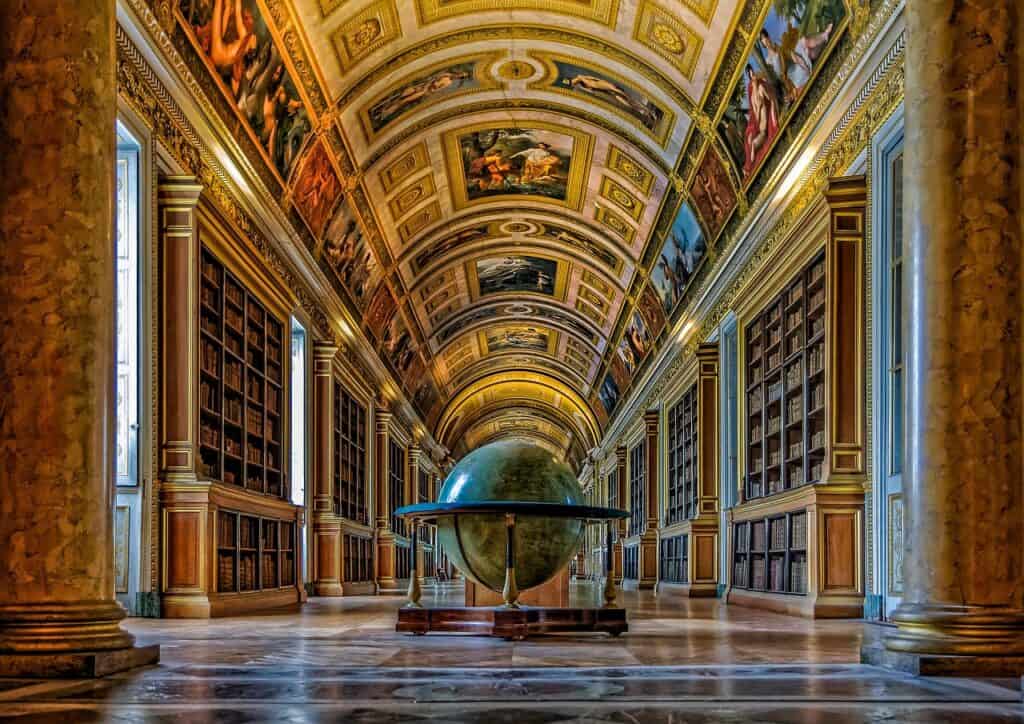
The palace’s interiors are renowned for their wealth of artistic detail, from elaborate woodwork to frescoed galleries, reflecting centuries of royal patronage. Fontainebleau’s decorations span Renaissance masterpieces and later enhancements that continued under successive rulers.
Reenactments and festivities with royal rituals
In mid‑April, the château will host a weekend of 18th‑century court festivities designed to evoke the atmosphere of the refined social life that once animated its halls and gardens. Actors and guides will portray scenes from the history of Marie‑Antoinette’s visits, from her arrival in France as a young Austrian archduchess in 1770, to her final stay at Fontainebleau in 1786, giving visitors a lively sense of how the royal court moved and celebrated within the palace.
The program also features demonstrations of period games beloved by the queen, including traditional leisure activities that were popular among the aristocracy, and a market promenade in the Galerie François‑I that recreates the stalls and social bustle of royal gatherings. A military camp set up in the English garden, complete with uniforms and demonstrations, offers insight into the martial side of 18th‑century life, while a jeu de paume demonstration — a precursor to modern tennis — connects visitors with the physical pastimes of French royalty.
One highlight will be an equestrian spectacle, presented by renowned performers, that draws inspiration from equestrian entertainments once staged before Marie‑Antoinette and her entourage.
Royal picnic and 18th‑century dance
As summer arrives, Fontainebleau transforms its English garden — a landscape feature introduced in the 18th century and beloved for its bucolic charm — into a setting for a royal picnic and ball. On the evening of July 4, visitors are invited to dress in period‑inspired costumes or elegant attire to enjoy an outdoor evening of music, dance and conviviality reminiscent of the social gatherings that punctuated court life. Traditional 18th‑century dance performances will bring historical rhythm and movement to the verdant lawns.
These seasonal events allow visitors not only to see historic spaces but to feel the energy of an era when Fontainebleau was a centre of artistic innovation and courtly entertainment. Marie‑Antoinette, whose patronage influenced fashion, interior design and cultural tastes throughout Europe, is a particularly fitting focus for this immersive celebration.
A palace steeped in history
Château de Fontainebleau’s long history as a royal residence makes it an exceptional setting for such period events. Originally a medieval fortress, it was expanded and transformed under the Renaissance king François I into a grand palace. Over successive reigns, French monarchs continued to modify its interiors and gardens, resulting in a remarkable layering of styles and functions that reflect centuries of royal life.
Today, the palace’s Grand Apartments and ceremonial rooms house ornate decoration and furnishings that span several eras, and its gardens, with its French formal layouts and later English‑style landscapes, offer both grand perspectives and intimate green spaces to explore.
Visitor information and cultural significance
The 2026 program centred on Marie‑Antoinette will run through much of the year, allowing visitors to discover both traditional touring highlights and special festive events. Fontainebleau’s combination of architectural grandeur, artistic heritage and lively historical interpretation makes it one of France’s most engaging cultural destinations for those interested in royal history and the social rituals of the 18th century.
Whether you arrive to admire the period interiors, participate in reenacted court life, or enjoy the spectacle of dance and prestissimo in the gardens, the palace offers a rare opportunity to experience history not just as a static display, but as an echo of past celebrations and everyday royal life.
More information: www.chateaudefontainebleau.fr