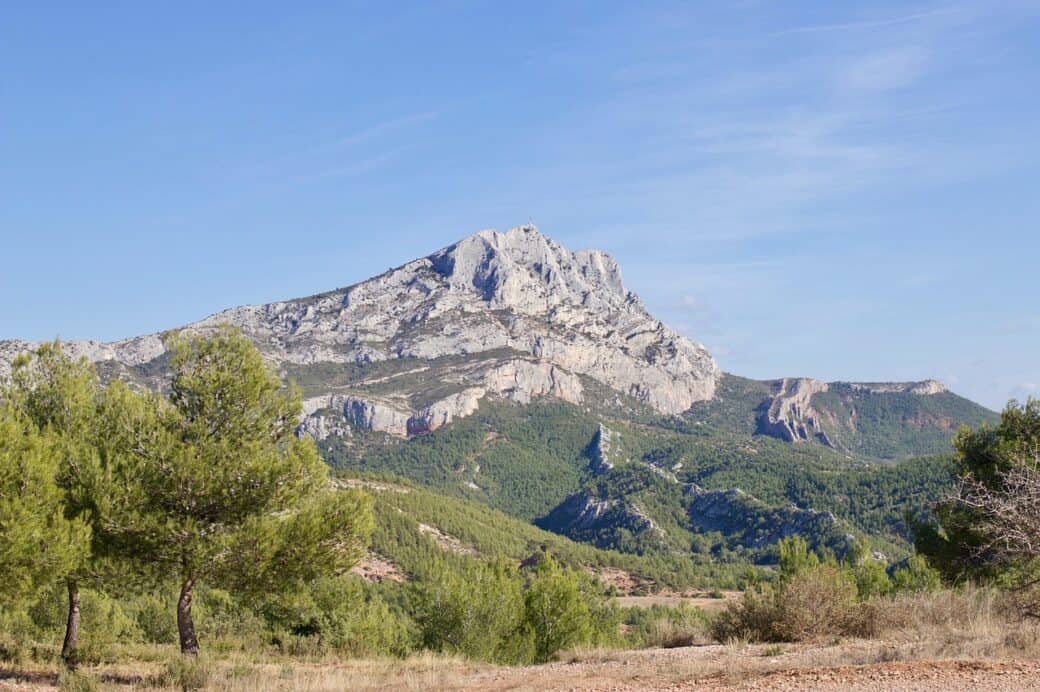
PROVENCE, France — One of the largest and most scenic wine estates in Provence, Château Grand Boise, has changed hands after two decades, ushering in a new chapter for this historic estate near Trets. The iconic vineyard, set against the dramatic backdrop of the Sainte-Victoire massif, has been acquired by a trio of partners closely linked to its recent revival.
For more than a decade, château director Jean Simonet has overseen the restoration and re-energising of the estate’s vineyards, winery and commercial presence. Alongside him are his wife Ana-Sofia Simonet, responsible for events and hospitality, and Romain Tosolini, a Provence-based entrepreneur and wine producer.
A vineyard shaped by challenge and vision
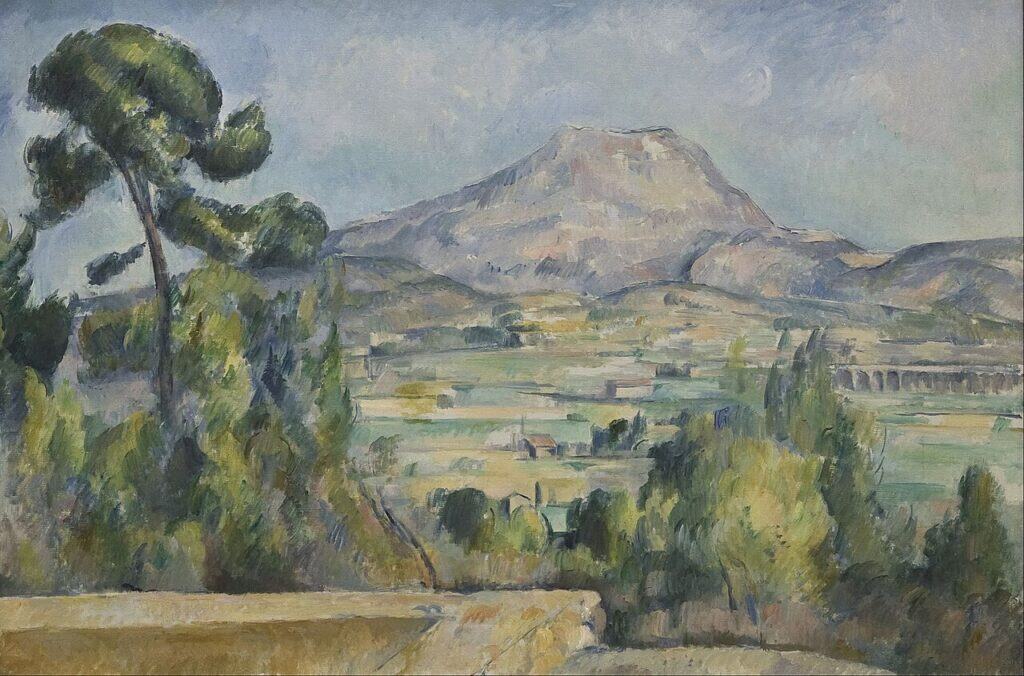
Château Grand Boise stands out among Provence wine estates for its extraordinary setting and terroir. The property is one of the region’s highest-altitude vineyards. Its location offers stunning views over olive groves, vines and the Sainte-Victoire landscape that has once inspired famous French painters like Cézanne.
When the Gervoson family purchased the estate in 2006, the vineyard was struggling. In 2013, Jean Simonet arrived from Domaine de Pibarnon with a mandate to revitalise the property from vine to market. Over the years, he oversaw an extensive restructuring: replanting, reworking the cellar and rebuilding distribution networks, essentially taking the site “back to zero” and beginning its rise to renewed relevance.
A new era for the estate
Under the ownership of the new trio, the focus at Château Grand Boise remains on long-term quality and terroir expression rather than short-term returns. Simonet emphasises a deep connection to the land: the vineyard is certified in organic and biodynamic agriculture, and its 36 hectares of productive vines are organised across more than 90 distinctive parcels.
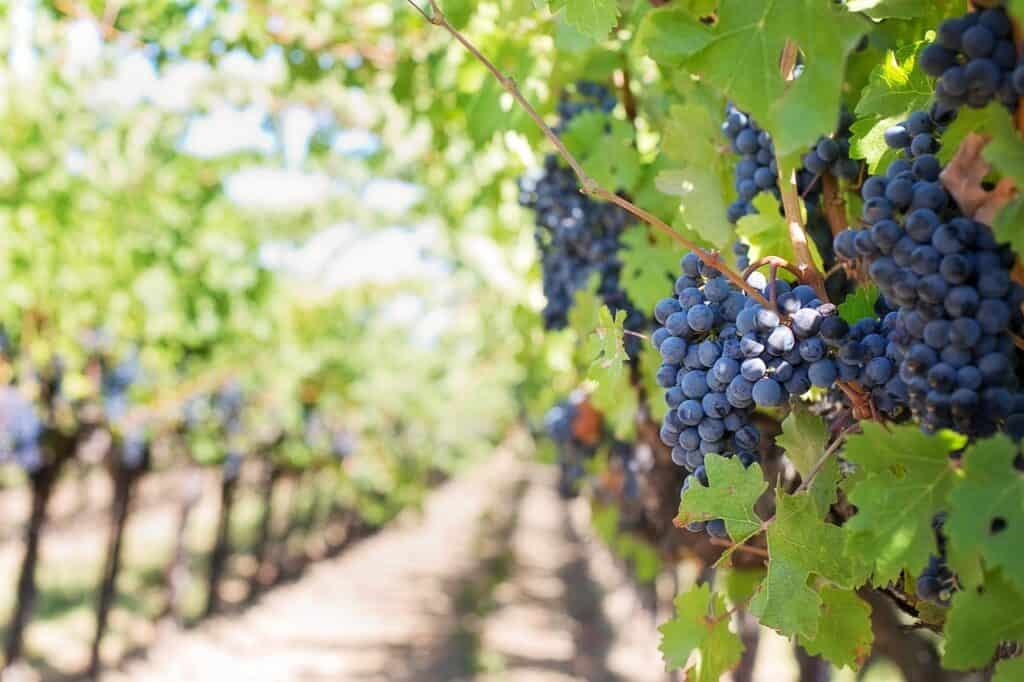
Experimentation with grape varieties is among the estate’s defining characteristics. Alongside traditional Provence varieties such as Grenache, Rolle and Syrah, the team has introduced Mediterranean-adapted grapes like nebbiolo and assyrtiko — the latter vinified for the first time in 2025 — to test new expressions of terroir and resilience in the face of warming climates.
Expanding beyond wine
The new ownership structure aims not only to strengthen viticultural excellence but also to enhance the visitor experience and local integration. The estate’s small restaurant has been relocated into the cellar’s tasting space and combined with a boutique offering wine and regional delicacies. It now welcomes guests six days a week, making Château Grand Boise more accessible to wine tourists exploring Provence.
A legacy and a future
For Simonet and his associates, the acquisition represents a personal commitment to a landscape they know intimately. Simonet’s experience at Grand Boise has spanned a full cycle of revival, from vineyard renewal to commercial growth; Tosolini’s entrepreneurial energy and wine-making background broaden the venture’s horizons; and Ana-Sofia’s focus on events and hospitality ties the estate to cultural life in the region.
The change in ownership comes at a time when many French wine estates are responding to shifting climate conditions, consumer tastes and tourism trends. Château Grand Boise’s blend of traditional Provence terroir, innovative viticulture and expanding visitor offerings positions it well for the coming decade.
As the estate enters this new phase, it embodies the evolving relationship between heritage, landscape and contemporary wine culture in one of France’s most beautiful and iconic regions.
Source: terredevins.com